The Importance of Black History Stories
Updated: Feb 20
Stories of Black history are more than just tales from the past. They are essential tools for education and empowerment. These stories reveal the contributions of Black individuals and communities to every aspect of American life. From science and art to politics and social justice, their impact is profound.
Understanding these stories helps us challenge stereotypes and combat ignorance. It fosters empathy and respect. When we share these histories, we create a space where everyone can see themselves reflected and valued.
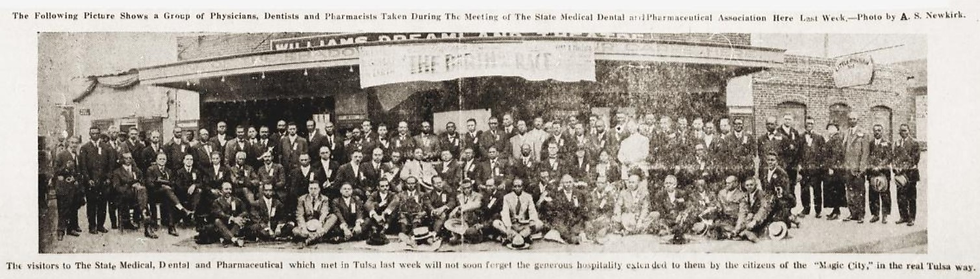
For example, the story of the Tulsa Greenwood District, often called "Black Wall Street," highlights a thriving Black community that was destroyed in 1921. Learning about this event and its aftermath teaches us about resilience and the ongoing fight for justice.
Educators can incorporate these stories into their curriculum to provide a fuller picture of American history.
Community members can use them to strengthen cultural pride and identity.
Researchers can uncover new perspectives and untold stories.
Event planners can design programs that honor and celebrate this rich heritage.

Preserving and Promoting Black History Through Storytelling
Storytelling is a powerful way to keep history alive. It transforms facts into experiences. It makes history accessible and relatable. When we tell African American history stories, we pass on wisdom and inspire action.
Here are some practical ways to preserve and promote these stories:
Support cultural centers and museums that focus on Black history. They serve as guardians of memory and education.
Engage with oral histories by listening to elders and community members. Their firsthand accounts add depth and authenticity.
Use digital platforms to share stories widely. Blogs, podcasts, and social media can reach diverse audiences.
Organize events and workshops that highlight Black history. These gatherings foster community and learning.
Incorporate stories into school programs to educate young people about the richness of Black heritage.
By taking these steps, we contribute to a collective effort to honor the past and inspire future generations.
The Role of Community in Keeping History Alive
Communities are the heart of history. They are the living repositories of culture and memory. Community involvement is crucial. It ensures that history is not just preserved in books but lived in everyday life. Local events, storytelling sessions, and cultural festivals create spaces where history is experienced firsthand.
Moreover, community members can act as storytellers and historians. They hold unique knowledge and perspectives that enrich the broader narrative. Their participation helps prevent history from becoming distant or abstract.
To foster this, communities can:
Create local history projects that document personal and collective stories.
Partner with cultural institutions to host exhibitions and talks.
Encourage youth participation to pass on traditions and knowledge.
Celebrate significant dates and milestones with public events.
Together, we build a stronger connection to our shared past and a more inclusive future.
Embracing the Future Through History
Black history stories are not just about looking back. They are about moving forward with purpose and pride. These stories inspire us to continue the work of justice, equality, and cultural celebration.
As we embrace these narratives, we also recognize the ongoing challenges faced by Black communities. History teaches us that progress requires vigilance and action. It calls us to be allies, advocates, and learners.
Let us commit to:
Listening deeply to stories that challenge our assumptions.
Sharing widely the lessons and legacies of African American history.
Supporting initiatives that promote education and cultural preservation.
Celebrating the richness of Black heritage in all its forms.
In doing so, we honor the past and empower the future. The power of African American history stories lies in their ability to transform us all.
History is not just a record. It is a call to action. It is a source of strength. It is our story to tell, together.
The Legacy of Black History
Black history is rich with lessons about perseverance and hope. It teaches us that even in the face of adversity, we can rise. We can create change. We can inspire future generations to carry the torch of justice and equality.
By engaging with these stories, we not only honor those who came before us but also pave the way for those who will follow. Let us continue to uplift these narratives, ensuring they resonate in our communities and beyond. The journey through Black history is one of discovery and empowerment. It invites us to learn, reflect, and act. Together, we can ensure that these vital stories are not just remembered but celebrated. Let us commit to this journey, a journey worth taking.
Stay connected, and be the first to register for our next genealogy workshops in June 2026.


Comments